
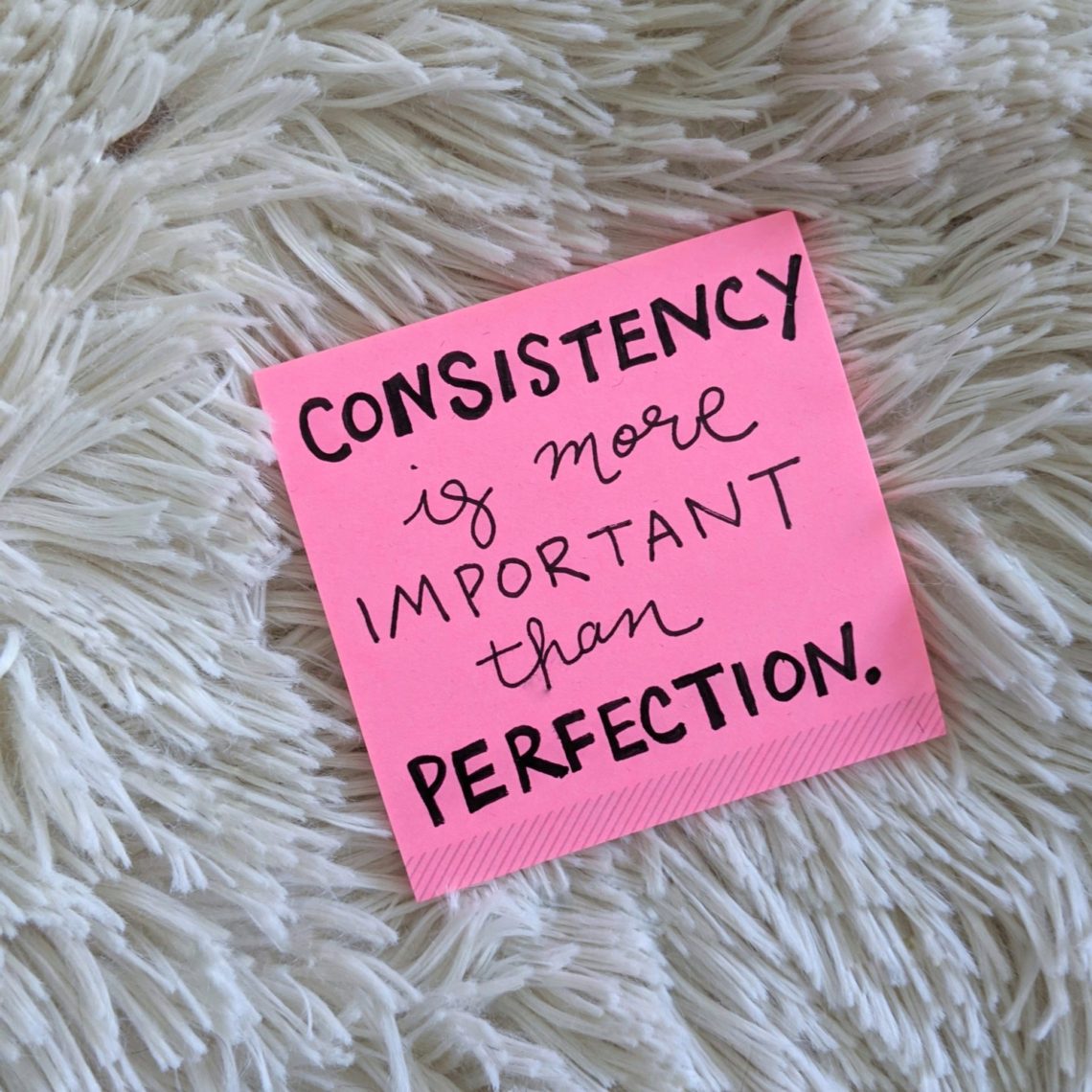
Consistency Or Perfection?
The Smarter Approach to Owning a Successful Rental Property
As a rental property owner, it is natural to want your investment to perform at its best. You want reliable residents, consistent rental income, a well-maintained property, minimal vacancy, and strong long-term returns. You may also want every decision to be the “right” one.
But successful rental property ownership rarely comes from making every decision perfectly.
It comes from consistency.
The owners who build strong rental investments over time are not necessarily the ones who have the newest kitchens, the most expensive finishes, or properties where nothing ever goes wrong. They are often the owners who consistently maintain their homes, respond to legitimate concerns, budget for expenses, keep accurate records, make reasonable improvements, and follow established processes.
In rental property management, consistent good decisions usually matter more than occasional perfect ones.
Rental Property Ownership Is a Long-Term Business
A rental property should be viewed as a long-term investment and a business.
Like any business, there will be good months and challenging months. Appliances break. HVAC systems eventually need repairs. Residents move. Insurance costs change. Properties need paint, flooring, landscaping, plumbing repairs, and countless other items over their lifetime.
Trying to eliminate every unexpected expense is unrealistic.
Instead, successful owners create systems for handling those expenses when they occur.
The IRS itself recognizes maintenance, repairs, management fees, insurance, taxes, utilities, advertising, and other operating costs as common expenses associated with rental property ownership. IRS
That is an important mindset shift.
Maintenance is not necessarily evidence that an investment is failing. Turnover does not automatically mean something went wrong. Spending money on a rental property does not automatically mean it was a bad investment.
These are normal parts of operating an income-producing property.
The goal isn't perfection. The goal is to operate the property consistently and make sound decisions over time.
Consistent Maintenance Beats Emergency Maintenance
One of the clearest examples of consistency paying off is property maintenance.
Consider two approaches.
One owner regularly addresses minor leaks, HVAC servicing, landscaping concerns, caulking, damaged siding, plumbing issues, and other routine maintenance.
Another owner waits until something completely fails before approving repairs.
The second approach may appear cheaper initially. After all, if you don't approve a $200 repair today, you've kept $200 in your pocket.
But what happens when the minor leak becomes damaged drywall, flooring, cabinetry, or mold remediation?
Preventive maintenance is designed to identify wear and potential problems before they develop into larger failures. Buildium notes that reactive maintenance can result in more expensive emergency repairs, while a preventive maintenance schedule helps owners address wear and tear before a breakdown occurs.
Consistency doesn't mean replacing everything prematurely.
It means paying attention.
Small repairs handled consistently can help prevent large repairs later.
You Don't Need the Perfect Rental—You Need a Well-Maintained One
Owners sometimes feel pressure to make their rental property look like a brand-new model home.
That usually isn't necessary.
Residents certainly appreciate attractive homes, but an effective rental property also needs to be functional, clean, safe, durable, and properly maintained.
Instead of chasing perfection, focus your improvement dollars where they make sense.
For example, replacing worn flooring with a durable product may make more sense than installing a luxury material that will be expensive to repair. Fresh neutral paint may have more rental value than an elaborate decorative renovation. Replacing an aging appliance when appropriate may provide more practical value than remodeling a perfectly functional kitchen simply because it isn't the newest style.
Ask:
Will this improvement help protect the property, improve functionality, reduce future maintenance, or improve its marketability?
If the answer is yes, it may be a smart investment.
If the primary goal is simply to make the property perfect, it may be worth reconsidering whether the expense will actually produce a meaningful return.
Consistent Resident Service Matters
Your residents are a major part of your rental property's performance.
Good residents who pay on time, care for the home, communicate appropriately, and follow their lease have significant value.
Keeping those residents satisfied does not require saying yes to every request. It does require consistency.
Maintenance requests should be evaluated and addressed appropriately. Communication should be professional. Lease requirements should be applied consistently. Residents should know what is expected of them and what they can expect from management.
Maintenance is particularly important.
Buildium's 2026 industry research found that among renters who were uncertain about renewing, 40% said they would stay if their property manager invested more in maintaining the property, while 31% said they would renew if maintenance requests were handled more responsively.
That matters because resident turnover has a cost.
When a resident leaves, owners can face vacancy, cleaning, repairs, marketing, leasing expenses, utilities, lawn care, and other turnover-related costs before the next resident begins paying rent.
You don't have to provide a perfect resident experience.
But providing a consistently professional one can make a meaningful difference.
Consistency Matters in Screening, Too
Finding a resident shouldn't simply be about filling a vacancy as quickly as possible.
It should be about following a consistent screening process.
When a home has been sitting vacant, it can be tempting to lower standards simply to get someone into the property. But one poorly considered leasing decision can create significantly more problems than a few additional days of vacancy.
A professional screening process should be applied consistently and in accordance with applicable fair housing requirements and established qualification criteria.
No screening process can predict the future perfectly.
People lose jobs. Relationships change. Unexpected financial situations occur.
The objective isn't to find a "perfect" resident.
The objective is to consistently follow a sound, lawful screening process designed to evaluate applicants fairly and reduce unnecessary risk.
Consistent Documentation Protects Your Business
Another area where consistency matters is recordkeeping.
Rental property owners generate a surprising amount of documentation: leases, invoices, inspection reports, repair records, resident communications, income records, expense records, insurance documents, notices, photographs, and more.
Keeping those records organized may not feel particularly exciting, but it is an important part of running a rental property as a business.
The IRS specifically recommends maintaining good records for rental activities, explaining that records can help owners monitor their property's progress, prepare financial statements, track deductible expenses, prepare tax returns, and substantiate information if a return is audited.
You don't need an elaborate system.
You need a system you will actually use.
A simple process followed every time is generally more valuable than an elaborate process followed occasionally.
Stop Waiting for the Perfect Time
Owners can sometimes delay necessary decisions because they're waiting for ideal circumstances.
Should we replace the flooring?
Should we increase the rent?
Should we repair the fence?
Should we replace the aging appliance?
Should we approve preventive maintenance?
Should we list the property now or wait?
There isn't always a perfect answer.
Rental markets change. Costs change. Properties age. Resident needs change.
Instead of asking, "What is the perfect decision?", consider asking:
"Based on the information we have today, what is the most reasonable business decision for this property?"
Then make the decision, document it, evaluate the result, and adjust when necessary.
That is how businesses operate.
Consistency Helps Control Costs
Rental property expenses can feel unpredictable, especially when several repairs happen close together.
This makes budgeting important.
An owner who consistently reserves money for maintenance and capital expenses is generally better positioned when an HVAC system fails than an owner who treats every dollar of rental income as immediate profit.
The IRS distinguishes between repairs and improvements for tax purposes and notes that ordinary maintenance and certain repair costs may be deductible, while improvements generally must be capitalized and recovered through depreciation. Owners should consult their tax professional regarding their individual circumstances.
The larger lesson is simple:
Rental properties require reinvestment.
A property cannot produce income indefinitely without expenses.
Consistently budgeting for those expenses makes them easier to manage when they inevitably arrive.
Consistency Creates Better Long-Term Decisions
Imagine two rental owners.
Owner A ignores maintenance for several years, then spends thousands of dollars trying to catch up before listing the property again.
Owner B spends reasonable amounts each year maintaining major systems, making necessary repairs, refreshing the property between residents, and addressing problems when they're discovered.
Owner A may occasionally spend less.
Owner B has a system.
Over the long term, that distinction matters.
Research from Buildium's 2026 Property Management Industry Report reinforces the importance owners place on this area: 56% of owners surveyed said maintenance support was the main reason they hired a property manager, and maintenance was their number-one source of stress.
The solution isn't eliminating maintenance.
It's managing it consistently.
Don't Let Emotion Override the Business
Rental homes sometimes have sentimental value.
Maybe the property was once your primary residence. Maybe you renovated it yourself. Maybe you remember choosing every cabinet, fixture, and paint color.
That history matters personally—but residents will experience the property differently.
A scratch on the floor may bother you more than it affects the property's rental value. Conversely, an HVAC problem you rarely experienced while living there may now require attention.
Separating emotion from business decisions is one of the most important skills a rental owner can develop.
Ask what protects the investment.
Ask what the lease requires.
Ask what makes financial sense.
Ask what keeps the property competitive.
Then make a consistent decision based on those factors.
The Compounding Effect of Doing the Basics Well
There isn't one secret renovation, resident, rent increase, or management decision that guarantees a successful rental investment.
Instead, results are built through hundreds of smaller decisions.
Respond to the maintenance request.
Keep the inspection records.
Service the HVAC system.
Review the rent at renewal.
Maintain the landscaping.
Replace worn items when necessary.
Document expenses.
Communicate professionally.
Follow the lease.
Screen consistently.
Budget for future repairs.
Repeat.
None of these things individually sounds revolutionary.
Together, they create a professionally operated rental property.
And that's the point.
Consistency Is Where Professional Property Management Matters
For many owners, the hardest part isn't knowing what should be done.
It's doing it consistently.
Life gets busy. Owners have careers, families, businesses, travel, and other investments competing for their attention. A maintenance request that seems minor gets forgotten. An inspection gets delayed. A lease renewal approaches faster than expected.
Professional property management creates systems around those responsibilities.
At Main Street Property Management, our role is not to promise that owning rental property will always be effortless or that unexpected expenses will never occur.
Our role is to help owners manage their investments professionally and consistently—from marketing and screening to leasing, maintenance coordination, inspections, resident communication, renewals, and turnovers.
Because successful property management isn't about making every property perfect.
It's about doing the important things well, over and over again.
Consistency Beats Perfection
If you're waiting for the perfect resident, perfect rental market, perfect renovation, perfect time to make a repair, or perfect investment strategy, you may spend a lot of time waiting.
Instead, focus on consistency.
Maintain the property.
Protect the asset.
Keep good records.
Make informed decisions.
Communicate professionally.
Budget realistically.
Follow reliable processes.
And keep doing those things year after year.
A rental property doesn't have to be perfect to be a successful investment.
It needs to be managed consistently.
At Main Street Property Management, we believe the small things done consistently can make a big difference in protecting your investment and supporting its long-term performance.